
Deep North Biome Guide: Valheim 1.0's Final Frontier
The Deep North biome in Valheim 1.0 — new creatures, Moose taming, Winding Tunnels and Mörkhalla, the Forge of Potential, and Kall Fimbulbringer.
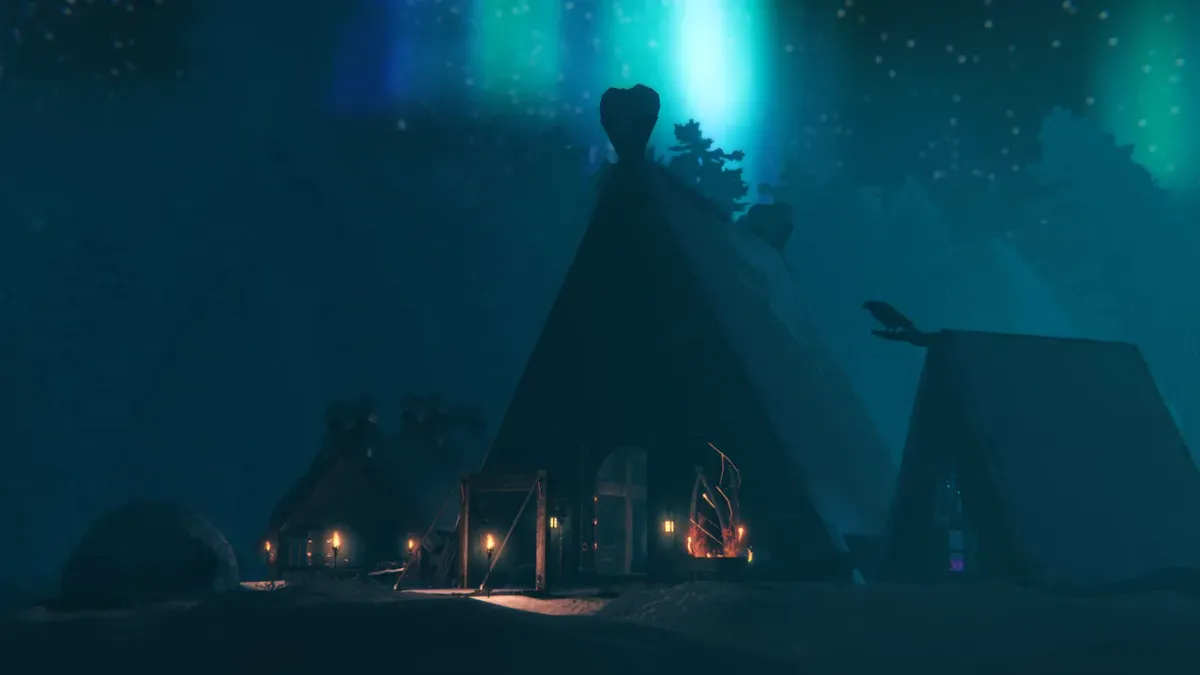
The Deep North is the biome that ended Valheim’s five-year Early Access — the frozen cap of the world that 1.0 finally filled in. It’s the hardest region in the game, the only biome balanced after the Ashlands, and the road to the ending.
What lives in the Deep North?
Ten-plus new creatures, and the headline is the rideable Moose. The confirmed roster includes Barka, Elaking, the Eyeless One, Fallen Warriors, the Gammeltroll, Hexen, Krigen, the Hexahedric/Shapeless/Tiny Pulp cluster, and Writhan — plus Moose, Moose Calves, Seals, and Baby Seals as the tameable wild life. The creatures guide has the bestiary and what each one drops; the taming guide covers how to get a Moose saddle-broken.
What can you gather in the Deep North?
Bloodgold, Petrified Tissue, Timberwood, Lingonberries, and the new crops. Bloodgold is the Deep North metal — smelted from Petrified Tissue at a Blast Furnace and not teleportable, so it’s a freight metal. Lingonberries are the forage food and the Moose taming food. The four new crops — Kale, Oats, Poteitr, Timberwood — feed the Deep North cooking tier covered in the food tier list.
What dungeons and structures are here?
Three: the Winding Tunnels, Mörkhalla, and The Prison. The Winding Tunnels and Mörkhalla are the new dungeons from the official patch notes, and they feed the progression materials — Malicious Blood for the boss summon, Memorial Coal for the Fallen Warrior fights, the essences that upgrade Nord weapons into Frostfire and Thunderblood. The Prison is the locked arena that holds Kall Fimbulbringer. The Forge of Potential, the hidden 1.0 crafting secret, sits up here too — the Deep North guide covers all of it.
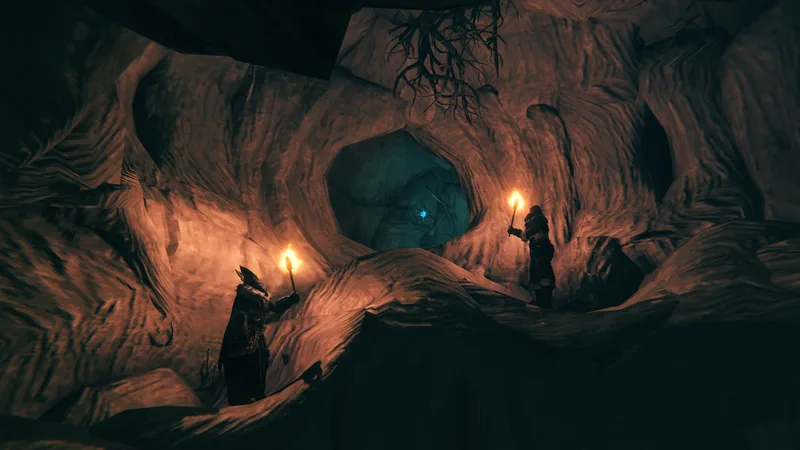
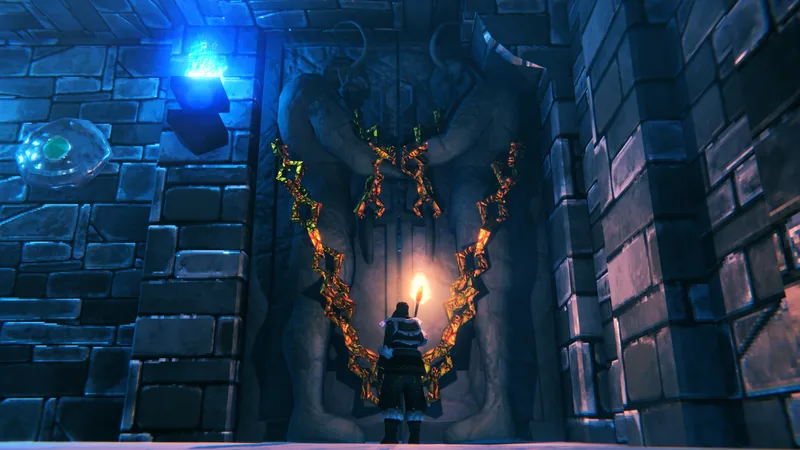
How does the Deep North play differently?
Four new mechanics change the terrain: the grappling hook for vertical travel, the Snow Shovel for clearing buildable ground, frozen seas you can walk, and the Jotun invasion event line that frames the whole biome. The events and raids guide tracks the invasions; the world modifiers page is worth a look if you want a softer landing.
When does the Deep North end?
With Kall Fimbulbringer — and then Valheim’s ending. The boss order puts him last for a reason. If you haven’t finished Fader first, the biome will make that decision for you.
Related Articles
Ashlands Biome Guide: Charred Sieges and Fader in Valheim
The Ashlands biome in Valheim 1.0 — Charred armies, lava seas, flametal fortresses, Asksvin mounts, and Fader's colosseum.
Last updated Oct 2
Mistlands Biome Guide: Eitr, Seekers, and The Queen in Valheim
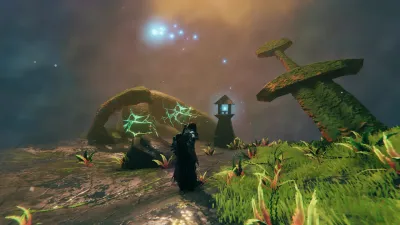
The Mistlands biome in Valheim 1.0 — Eitr magic, Seekers and Gjalls, Infested Mines and Citadels, black marble, wisps, and The Queen's arena.
Last updated Oct 2
Mountain Biome Guide: Silver, Wolves, and Moder in Valheim
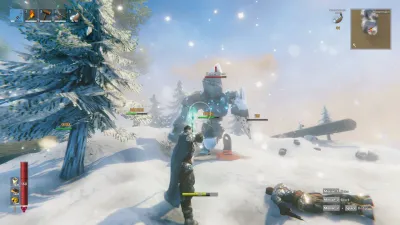
The Mountain biome in Valheim 1.0 — silver veins, frost debuffs, wolves and drakes, Frost Caves, Dragon Eggs, and Moder's altar.
Last updated Oct 2
Was this helpful?
Thanks for the feedback!